





What Bigpay77 Casino Reviews Reveal In 2026
A review page is never the whole story. It is a starting point, a mood check, a way to see what players keep repeating when they talk about loading speed, support tone, payment comfort, and how clear the account tools feel on a normal weekday. In 2026, that matters even more because people compare a casino on a phone, on mobile data, and in tiny slices of time. Suppose you open the platform during lunch, not during a planned gaming session. The comments that matter are the ones that tell you whether the lobby, cashier, and help section still feel usable when attention is short.
And public feedback only becomes useful when you read it with a filter. One angry line after a losing session tells you almost nothing. Ten different comments about the same account step, the same support delay, or the same confusing cashier page tell you something real. That is the trick. You are not searching for drama. You are searching for patterns.
First Impressions Of The Platform
The first impression is not the logo. It is the path. You land on the home screen, you look for the main menu, and you ask one quiet question - can I find the things that matter before the loud banners start pulling me around. If the answer is yes, the platform already feels less chaotic. Bigpay77 should work for adult users in Australia as a practical mobile and desktop option within applicable rules, not as a maze built to waste time.
Suppose you are checking the site from your phone while waiting for a train. You want the search field, your balance area, the account icon, and a fast way back to the main lobby. If the page hides those basics behind a bonus wall, the session starts with friction. And friction changes player behaviour. People click faster, skim more, and make worse decisions.
I also pay attention to how the platform looks when the mood is flat. That is important. A flashy screen can impress you for sixty seconds. A clean layout helps you two hours later when you want to find transaction history or log out without hunting through three menus. Calm design ages better than noisy design.
There is also a trust angle here, but not the cheesy kind. Not slogans. Structure. If the cashier is easy to find, if account details are not buried, and if support is visible before you need it, the platform feels more grounded. Say you are not even ready to play yet. You just want to see whether the site acts like a serious service or a cluttered trap. Those first clicks answer that faster than any headline.
And yes, the platform has to feel local enough for Australia without pretending to be something it is not. Good currency visibility, clear payment wording, readable help text, and straightforward account steps do more work than any giant marketing promise. Small details. Big difference.
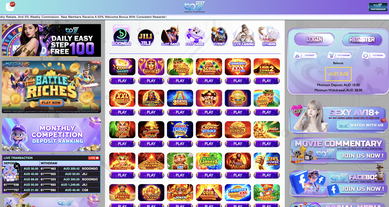
Game Choice, Search, And Session Rhythm
The best game library is not just “big.” It is usable. You open the lobby and ask whether you can find the type of game you want before boredom, distraction, or pure randomness takes over. Suppose you only have fifteen minutes and want a low-pressure slot session with no wandering. If the category filters are weak and the search bar lags, the lobby starts controlling you instead of the other way around.
Game rhythm matters too. A clean platform lets you search, open, test, back out, and return to the lobby without feeling stuck. That sounds simple, yet a lot of sites still get it wrong. One bad back button, one unexpected reload, one layout jump on mobile, and the session feels heavier than it should.
Why Fast Search Beats Endless Scrolling
Fast search is one of those features people ignore until it is missing. Suppose you already know the title you want, you type it, and nothing sensible appears because the search logic is weak. Now you drift. You click a random banner, then another, and suddenly the session is no longer planned. It is reactive. A good search bar reduces random behaviour because it rewards intention.
And the same is true for favourites. Saving a short list of titles you actually use cuts down noise. You stop treating the lobby like a carnival and start treating it like a menu. That shift matters more than people think.
Mobile Sessions Need A Different Kind Of Balance
Phone play changes the way time feels. A desktop session might last an hour without much thought. A phone session often comes in fragments - ten minutes here, seven minutes there, maybe one quick check before dinner. Suppose you move from Wi-Fi to mobile data in the middle of a round. The platform should recover cleanly, not make you feel like the page is falling apart.
That is why mobile rhythm matters so much. Big buttons. Stable menus. No weird jumps when the screen refreshes. On a phone, ugly little interface choices become big emotional triggers.
Cashier Flow, Payments, And Record Keeping
Money tools are where image stops mattering. The cashier either feels clear or it does not. You either understand what happened after a deposit or withdrawal step, or you end up staring at the screen and wondering whether you should press again. Suppose you make a small payment from a cafe and a promotional strip shifts the page while you are confirming the amount. That is exactly the sort of thing that should not happen on a mature platform.
What I want from a cashier is boring reliability. Stable buttons. Clear method labels. Easy transaction history. One clean confirmation after each step. Nothing dramatic. The point is not excitement. The point is control.
The record trail matters just as much as the payment methods themselves. If you cannot open history and instantly see time, amount, and status, the whole payment area feels weaker. Say you submit a small withdrawal test on a Tuesday afternoon, then check again that evening. You should not have to guess what moved and what did not. The platform should tell you clearly.
That is also where small player habits help. One method at first. One test amount. One quiet weekday attempt. People create their own confusion by jumping between payment routes, changing account details during a pending request, and then blaming the site for the mess. Calm steps win.
Payment Area | What To Check First | Why It Helps | Practical Habit |
|---|---|---|---|
Deposit Screen | Stable fields and clear amounts | Fewer misclicks | Confirm once, then stop tapping |
Withdrawal Page | Easy status wording | Less guessing later | Use one route at first |
Transaction History | Time and amount visibility | Better tracking | Check history after every action |
Account Details | Name and contact consistency | Smoother reviews | Avoid mid-process edits |
Support Access | Fast contact path | Quicker resolution | Keep screenshots and timestamps |
Mobile Access And Everyday Convenience
A platform can look fine on desktop and still feel clumsy on a phone. That gap matters because so many sessions start on mobile now. You unlock the screen, type the password, and expect the layout to respect your thumb, your time, and your battery. Suppose you are standing in a grocery queue and want one quick look at the cashier or your account history. If the text is tiny, the tap zones are cramped, or the menu keeps sliding under banners, the whole mobile experience feels unfinished.
Good mobile access is not about fancy animation. It is about getting the structure right. Search should sit where you expect. The balance should stay visible. Back navigation should not dump you into some unrelated page. Those things are not glamorous, but they shape whether the platform feels easy to return to or easy to avoid.
I also think mobile play needs stronger self-control habits because the phone makes every session feel smaller than it really is. Ten minutes can turn into forty without much drama. Suppose you keep opening the platform “just for a second” during the day. Suddenly the account becomes part of your background routine instead of a conscious choice. That is when reminder tools, deposit limits, and fixed session windows start doing real work.
And the phone should help you leave as easily as it helps you enter. Log out. Close the tab. Walk away. A strong mobile setup supports that rhythm instead of making every exit feel slightly unfinished.
The Best Mobile Design Lowers Tension
People talk about convenience, but what they really mean is tension. A smooth mobile layout lowers it. Suppose you pause mid-session to answer a message, then come back. If the platform returns you to a clear screen with stable controls, your mood stays level. If it reloads into confusion, your mood spikes. And mood, more than people admit, changes gambling decisions.
Account Safety, Limits, And Support
Safety starts before the first bet. It starts with email access, password habits, and whether you treat a casino account like something serious or like another throwaway app. Suppose you sign in on a borrowed device because your phone is dead and let the browser save your credentials. That feels harmless right until it is not.
The better move is boring. Use your own device. Protect the email tied to the account. Keep profile details accurate and stable. If documents are ever requested, upload one clear file in good light instead of three panicked attempts taken under a lamp at midnight. Mess creates delay. Clean information reduces it.
Limits deserve the same treatment. People wait until the session feels emotional, then go looking for deposit caps or cooling-off tools. That is late. Suppose you already know your weekly number and the kind of session length that suits you. Set those controls early, while your head is cool. Then the hard part is done before any mood swing shows up.
Support matters here too. I do not care how pretty the help centre looks if the real contact path is buried. You need one visible route to assistance and a clear way to explain the problem with timestamps, amounts, and device details. One clean message beats five frustrated ones every single time.
When A Pause Is Smarter Than A Bigger Bet
This is the moment people hate admitting. You are no longer playing the game. You are playing the feeling. Suppose a short losing run hits, you raise the stake, and your hand starts moving faster than your thinking. That is the point where a timeout, a limit, or just closing the phone is the smart move. Not tomorrow. Then.
Support Works Better With Facts, Not Heat
Suppose a payment status looks strange or a page reloads at the wrong moment. The worst message is “it’s broken.” The best message is short and factual - time, amount, device, what the screen said, and what you already tried. Support can work with facts. Heat only makes the thread longer.